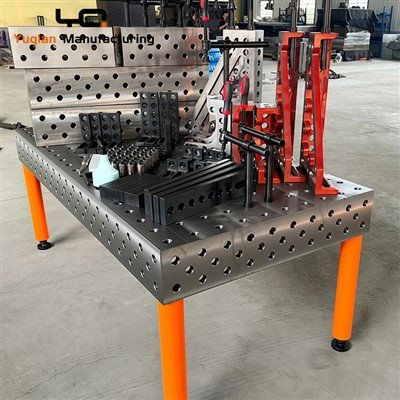
Proper Selection of Welding Fixtures
When using welding fixtures, the first step is to ensure that the selected fixture matches the welding task. The type, specifications, and dimensions of the fixture should be rationally selected based on the shape, size, and welding requirements of the workpiece. Furthermore, the material of the fixture must also be considered to ensure it can withstand the high temperatures and stresses during the welding process. Choosing high-quality fixtures not only improves welding efficiency but also effectively avoids potential problems during welding.
Strict Adherence to Safety Operating Procedures
Safety is always the primary principle in welding operations. When using welding fixtures, operators must strictly adhere to relevant safety regulations. For example, wearing appropriate protective equipment, such as welding gloves, face shields, and protective clothing, is essential to prevent injury from splattering weld slag and high temperatures. Simultaneously, the stability and reliability of the fixture must be ensured to prevent loosening or detachment during welding.
Accurate Installation and Positioning of Fixtures
The installation and positioning of fixtures have a crucial impact on welding quality. When installing fixtures, ensure a tight fit between the fixture and the workpiece, avoiding gaps or misalignment. Precise positioning of the fixture is also necessary to ensure the accuracy and consistency of the weld. In addition, the clamping force should be moderate, preventing the workpiece from moving during welding while avoiding excessive stress on it.
Real-time Monitoring and Adjustment During Welding
During welding, operators need to closely monitor the condition of the clamps and the formation of the weld. If any abnormalities such as loosening, deformation, or damage are found in the clamps, welding should be stopped immediately, and appropriate adjustments or replacements should be made. Simultaneously, welding parameters and clamp positions should be adjusted promptly according to the weld formation to ensure the stability and reliability of the weld quality.
Clamps Maintenance and Care
Regular maintenance and care are essential to extend the service life of the clamps and maintain their stable performance. After each use, weld slag and dirt should be cleaned from the clamps promptly, and the clamps should be inspected for damage or wear. Damaged clamps should be repaired or replaced promptly. Regular lubrication and rust prevention treatment should also be performed on the clamps to ensure their flexibility and corrosion resistance. Furthermore, the clamps need to be calibrated and adjusted regularly to ensure that their accuracy and reliability consistently meet welding requirements.